The Creator Mainframe · A Notion system for Substack writers
You didn’t start a Substack to spend your writing time on packaging.
The Creator Mainframe is a Notion operating system that automates everything around the writing: the interrogation that sharpens your idea, an honest editorial pass, scored titles, SEO, covers, in-article images, a week of Notes, and the monthly read. The thinking and the words stay 100% yours.
Set The Dial once. Say “run the week.” Then write.
Get the system · $79 foundingInstant Notion duplicate. 30-day refund, one word, no questions.
 you write every word
Every post is really fourteen jobs.
Idea. Interrogation. Brief. Draft. Review. Structure audit. Title. Subtitle. Pre-header. SEO. Cover. In-article images. Ending. Notes. You signed up for one of them.
The other thirteen are why your
Tuesday post ships Thursday.
Calendars and planners hand you empty boxes and call it a system. This one ships the judgment: 17 prompts that carry the findings from a 94,000-post Substack dataset as scoring rubrics, wired into a pipeline that tells every article what happens next.
The three rules it runs on
Your ideas ✳
The AI interviews you until the idea is sharp. It is forbidden from suggesting content. It never invents your take.
Your words ↑
The drafting stage is sacred. AI stays out. Readers can scan any Substack post for AI prose now; yours scan human, because they are.
AI does the rest !
Briefs, edits-as-suggestions, scored titles, SEO, covers, image plans, endings, Notes, bookkeeping, monthly analysis.
The pipeline
One row per article. Eight stages. It tells you what’s next.
1
🌱 Spark
Dump the idea. 30 seconds.
2
🧠 Brainstorm
AI interviews you. Verdict: ALIVE or PARK IT.
3
📋 Brief
Your answers, compressed. Only your words.
4 · yours
✍️ Draft
You write. Typed, or spoken and stitched from your own sentences.
5
🔍 Review
This hits / this falls flat / try this angle. Never rewritten.
6
🎁 Package
Scored titles, SEO, fitted cover copy, image plan, ending.
7
📅 Ship
Five minutes in Substack from a saved shape.
8
📢 Distribute
Four Notes atoms, the Restack Protocol, the monthly read.
Stage 4 is the only one with your name on it. Every other stage has a prompt embedded exactly where you will need it, and a ▶ Next action column that never makes you hold the system in your head.
Level 4 · The Weekly Run
Set The Dial once.
Then say “run the week.”
The Operator is a custom agent (Notion AI, ChatGPT, or Claude) that runs whole stages when you talk to it. The Dial tells it, once, which decisions are yours and which it may make without asking: auto, ask, or mine.
Then “run the week” walks every article past drafting and does every auto job: review pass, structure audit, subtitle, pre-header, SEO pack, fitted cover copy, image plan, ending stack, Notes atoms. It hands you one checklist of what you kept for yourself.
The honest math: fourteen jobs per post. With the default Dial, eleven run on auto. That is 78% of the jobs. Flip the title pick to auto and it is 85%. It never reaches 100%, because the draft is the product.
The Dial · ships like this, edit any line
Draft is not on the Dial. If you set it to auto, The Operator refuses and quotes rule one.
The Cover Studio · New
A cover in three minutes. Every time. Matching.
Posts without a cover average 81% fewer reactions, and most writers lose an hour to one anyway. The Cover Studio makes it a counting job: the system writes copy to your template’s measured character limits, you paste it into the Cover Maker, you click download.
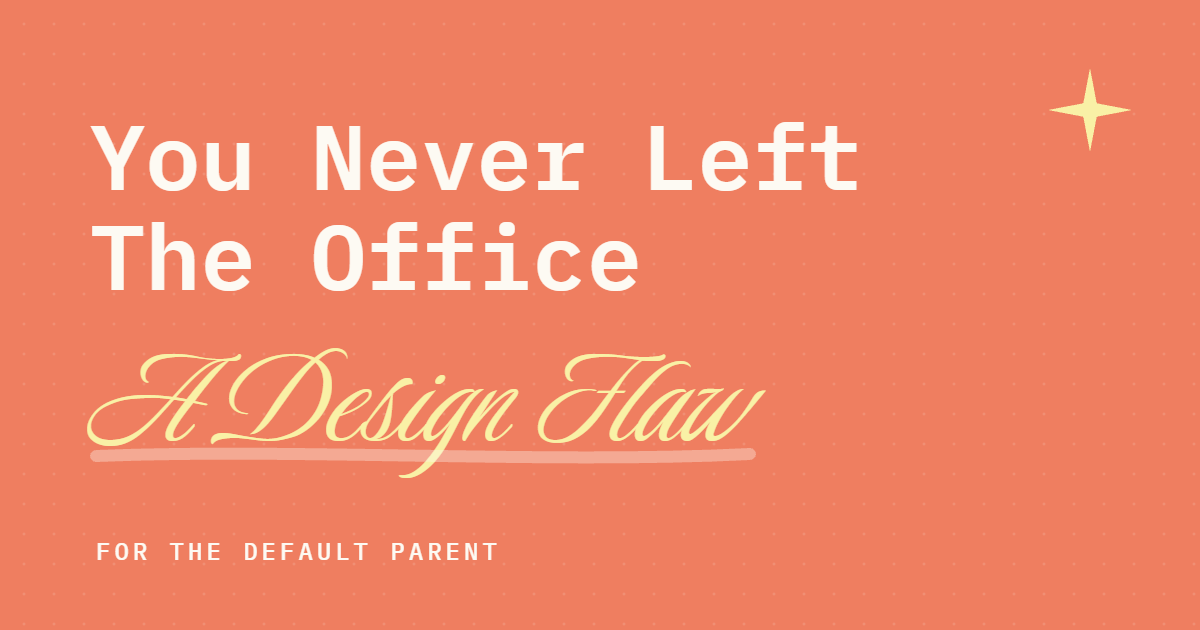
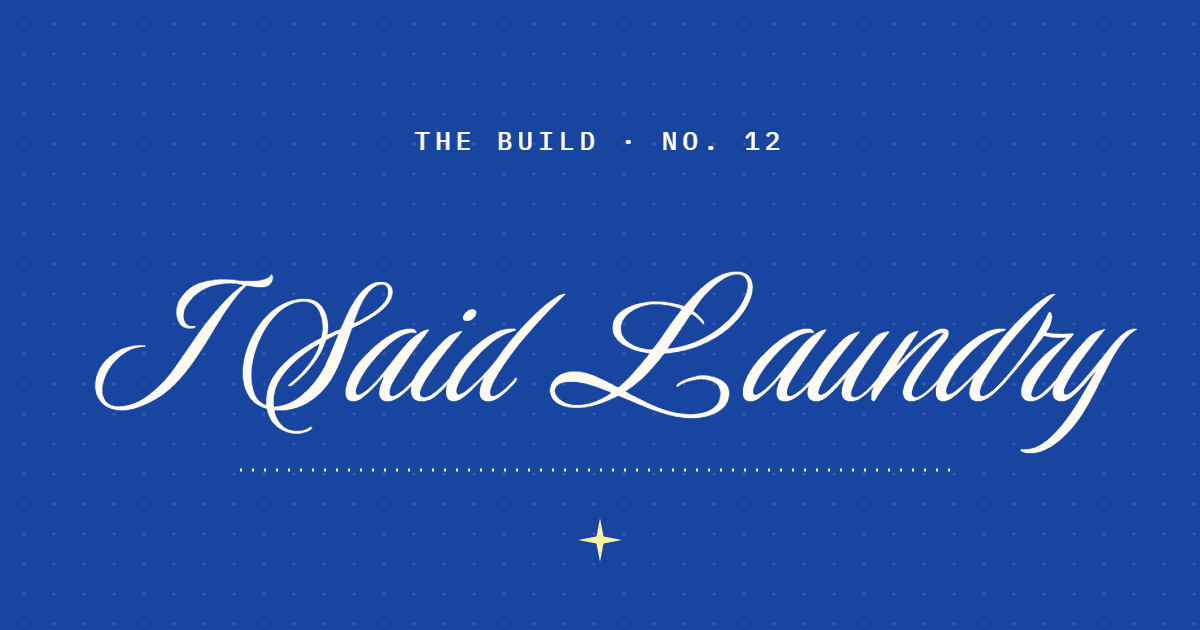
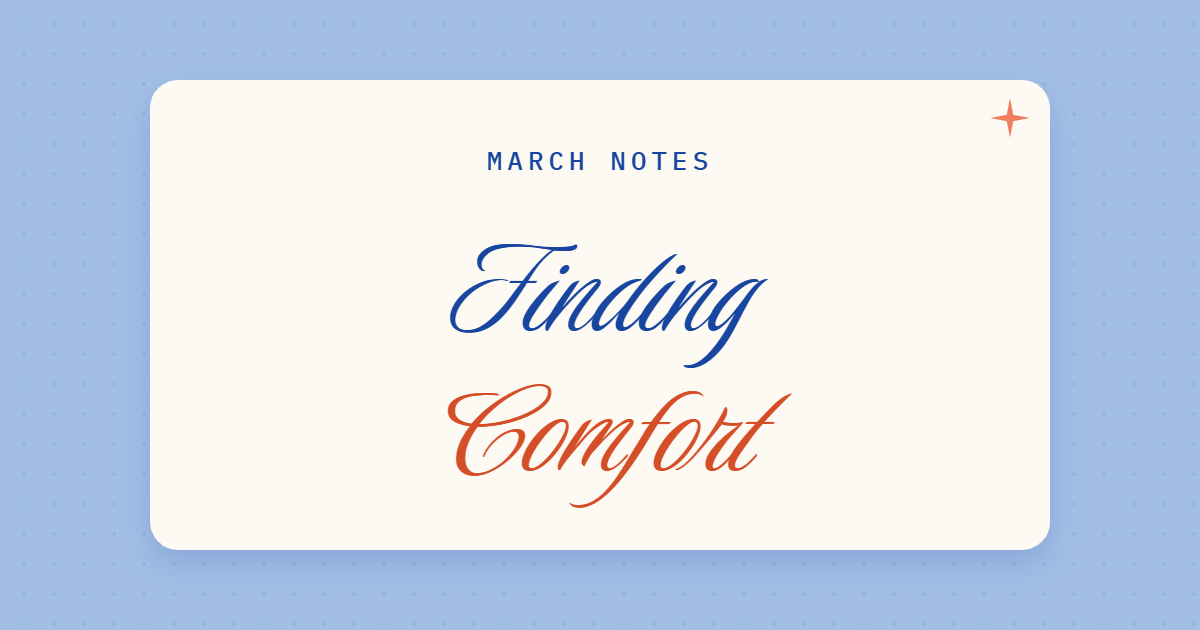
Your Style Print
Like the Voice Print, for images. Ten minutes once, and every generated image, in any tool, looks like one publication.
Three lanes
Template (fitted copy, the default), Generate (a style-locked prompt for ChatGPT, Canva, Ideogram, Midjourney), Photo (your receipt, your caption).
The Inline Image Pass
Finds where an image earns its place in a long post, decides what kind, writes the alt text. Accessibility handled in the same breath.
Already have a Canva template? The system measures its slots once and writes to those numbers instead.
Every rule in the system carries a receipt like these
+60%
Negative-frame titles outperform. The Title Forge scores ten candidates against this and eleven other patterns.
−81%
Reactions on posts with no cover image. A cover is a floor, not a differentiator. Three minutes, every time.
0.62%
Median free-to-paid conversion. The Money Map plans for the real number, not the screenshot number.
What’s inside
One Notion duplicate. Every prompt portable to ChatGPT, Claude, or Notion AI. Free Notion plan is enough.
The judgment
17 research-backed prompts
In pipeline order: Voice Print, Brainstorm Interrogation, Brief Builder, Dictation Lane, Editorial Pass, Structure Check, Title Forge, Second Hook, SEO Pack, Cover Brief, Footer & CTA Selector, Notes Engine, Collab Scout, Monthly Read, Paid-Tier Architect, Welcome Machine, Perks Bundler.
The automation
The Operator + The Dial
A paste-ready custom agent, five Autopilot Levels from rows that announce their next move to the one-sentence Weekly Run, Notion AI autofill prompts for six packaging columns, and the Substack→Notion bridge that flips rows to Published on its own.
The images
The Cover Studio
Style Print, three cover lanes, a Cover Templates database with measured limits, the Inline Image Pass with alt text, and the browser Cover Maker: five layouts, any color, your photo, one-click 1200×630 PNG.
The databases
Seven, wired together
Article Pipeline (8 stages, ▶ Next action on every row), Notes Queue, Notes Bank, Swipe File, Cover Templates, Weekly Ops, Offers & Doors. Plus a month-ahead Content Calendar and a runway view that shows the holes weeks early.
The growth layer
The Notes Rhythm
Native-first Notes that run whether or not you published: a raw-material bank, a 20-minute weekly build across seven formats, the Daily 10, the Restack Protocol for publish day, and subs-per-note scoring instead of likes.
The business
The Money Map and more
Free/paid architecture, the $27 to $147 product ladder, founding tiers, welcome sequences for Substack’s native automations, a perks bundler, five Substack post shapes with an install guide, the Voiceover Lane, and a ready-to-publish AI-transparency statement.
The honest part
Substack has no API, so nothing posts for you, and anyone claiming otherwise is automating a browser. The Mainframe prepares everything; assembly takes about five minutes per post, and the one-time Substack template setup takes twenty. Notes are the same: it writes your week in 20 minutes, you spend about 12 pasting them in. And if you want AI to write your articles, this is the wrong product. That is the point of it.
Founding price
$97 $79. Once.
Founding price until the first 25 buyers or 30 days after launch, whichever comes first. It goes to $97 when the founding window closes, and founding buyers keep every future update. No countdown theatrics; a real deadline, stated once.
Instant delivery: your duplicate link opens the second payment clears. Secure checkout by Stripe.
Founding doors open in days
The system is built. The checkout is the last screw. Leave your email and you get the buy link the hour it goes live, at the $79 founding price, before it is announced anywhere else.
You’re on the founding list. The link lands in your inbox the hour the doors open. Go write something in the meantime.
30-day guarantee: use it for 30 days. If your publishing week isn’t measurably lighter, email one word (“refund”). Done.
Questions, answered straight
Do I need Notion AI?
No. Every prompt pastes into ChatGPT, Claude, or any AI chat. Notion AI unlocks the self-filling columns at Level 2; everything else works without it.
Do I need a paid Notion plan?
No. Duplicating and using the template works on the free plan.
Will AI write my articles?
No, and that is the point. It interviews you, edits you, and packages you. The writing stays yours. The Operator’s first rule is the product’s first rule; if you set the draft to auto, it refuses.
How autonomous is it, really?
Fourteen jobs per post. With the default Dial, eleven run on auto (78%). Flip the title pick to auto and it is twelve (85%). The draft and the review fixes are always yours. A post costs you: ten minutes of answering questions, the writing, a title pick, a click on download, and five minutes in Substack.
I draft by voice. Does this work for me?
Yes. The Dictation Lane assembles your voice-to-text transcript into the post shape using your sentences only; anything the AI had to write to connect them gets flagged for you to reword. Talking is writing; the system just does the typing.
I already have a Canva cover template. Do I lose it?
No. You measure its slots once into the Cover Templates database (ten minutes) and the system writes cover copy to those exact limits, with a character count next to every line. The Cover Maker is for writers who do not have a template yet, or who want a second look for Notes images.
Can it schedule my Notes for me?
No, and be suspicious of anything that says it can. Substack schedules one Note at a time with no bulk import. The Mainframe removes the hard part: the Notes Rhythm writes your week in 20 minutes from raw material you already banked, then you spend about 12 minutes pasting them in, with a tick-as-you-go checkbox so an interruption costs nothing.
What if I publish once a week? Or I’m not paid yet?
Three preset schedules from once a week to daily, and the weekly one is the recommended start. The Money Map tells you which rung to stand on at your size; the Paid-Tier Architect designs the tier when you are ready. Everything else works free-only.
Will readers think my posts are AI?
No, and now they can check. Substack lets readers scan any post for AI-written prose. This system’s rule, AI never writes your article, means your posts scan human, and it ships a ready-to-publish “How I make this” statement that turns your process into a trust asset.
What happens after I pay?
Stripe sends you to a private page with your duplicate link. One click puts the whole system in your Notion. Start Here gets you through your first idea in 15 minutes tonight and the setup (voice, style, covers, publishing week) this weekend.

Who’s behind this
Built to run my own Substack. Then made sellable.
Mainframe Mom is Jessica: full-time job, default parent of three, a publication written on the scraps of the day. This system runs every article she publishes, three a week, and it was built because there was no other way to do that and still write every word herself.
The build story, the numbers, and the price raise when it comes are all published in public in the Sunday Read.
Get the system · $79